
15 Experiential Marketing Examples and Brand Activations With Real Results
15 experiential marketing examples, from Red Bull Stratos and 29Rooms to Rare Beauty and Aperol, with the reach, signups and results each one measured.

12 min read
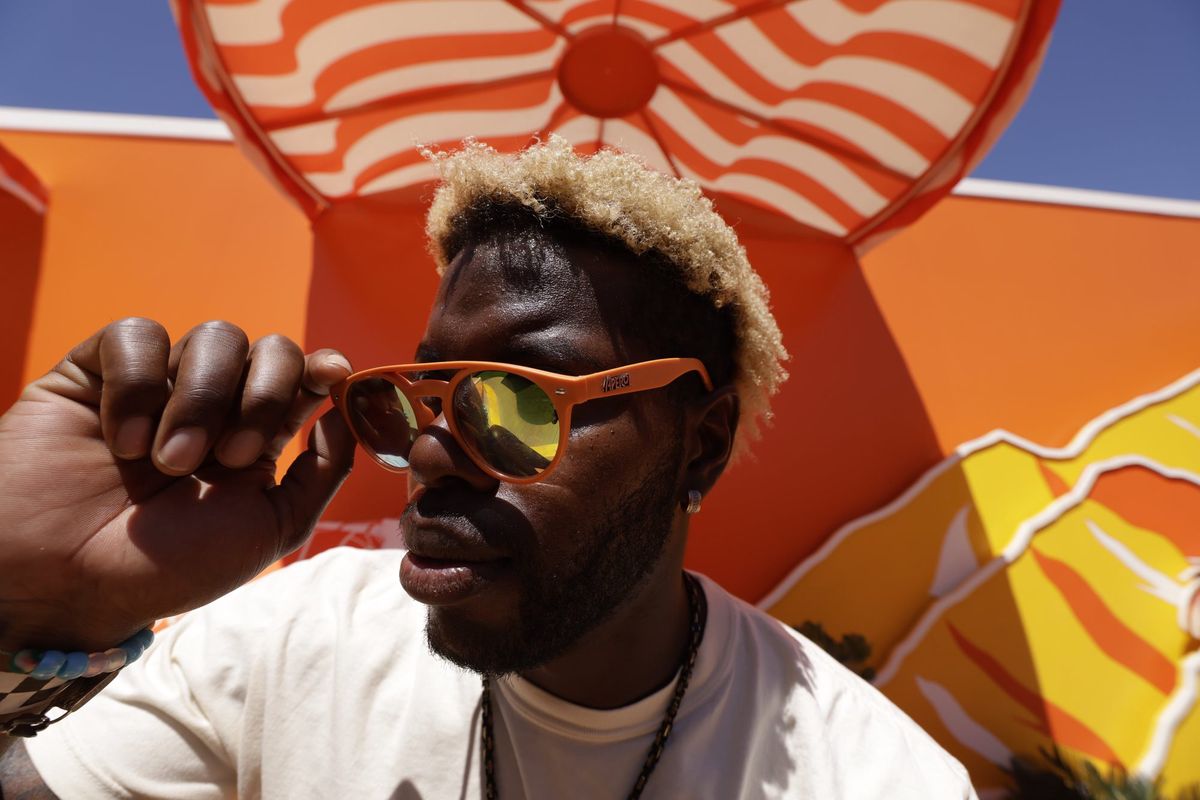
Looking for experiential marketing examples that show results, not just pretty photos? Below are 15 brand activations and experiential marketing campaigns. The first 8 are recent events from beauty, spirits, CPG, conferences, fandom and college sports, with the numbers each brand measured. The last 7 are famous campaigns every event marketer should know, with what you can borrow from each.
Impulse is the event photo layer behind the first 8. Guests sign up with their phone number, professional photographers capture the moments, and each guest gets their own photos by SMS or WhatsApp. That gives the brand social reach, first-party data and a direct line to every guest.
What Is Experiential Marketing?
Experiential marketing is marketing that lets people take part in a brand in person, instead of only seeing an ad. A brand activation is one experience inside that strategy: a launch party, a pop-up, a sampling tour or a branded space at a festival or conference. For a full definition and how to measure it, read what is experiential marketing.
The hard part is measuring it. The examples below show what you can track when every guest opts in and gets their photos on their phone.
Types of Experiential Marketing Campaigns
Most experiential marketing campaigns fall into one of these types. The examples below cover each one.
Launch events. A party or reveal for a new product, like Rare Beauty's fragrance launch in Los Angeles.
Festival activations. A branded space inside a festival, like Aperol's Day Club at Coachella.
Conference activations. Hospitality, talks and networking around an industry event, like FQ Beach at Cannes Lions. See how this works for conference photo delivery.
Fan and community events. A party built around a community, like Fandom's party at Comic-Con.
Sports and sponsor activations. Game day experiences that give sponsors something to show, like Temple's tailgate with Grungo Law. See college athletics engagement.
Sampling tours. Street or retail stops where people try a product, like Vita Coco's 5-city tour.
Interactive experiences. Games, voting and quizzes that make guests take part, like Espolon's Cocktail Fights.
Pop-ups and immersive spaces. A temporary space people visit on purpose, like Refinery29's 29Rooms or Stranger Things: The Experience.
Stunts and surprises. A moment built to be filmed and shared, like Coca-Cola's Happiness Machine or Red Bull Stratos.
8 Brand Activation Examples With Measured Results
1. Rare Beauty: Fragrance Launch in Los Angeles
The activation: Rare Beauty brought creators and influencers together in Los Angeles in 2025 to launch its Eau de Parfum, with a signature pour, a DJ set and a Layering Lounge for the new scent.
What Impulse added: guests signed up by link with only a phone number. They got their photos in seconds by SMS or WhatsApp, with prompts to share and tag the brand.
The results:
450M+ potential reach from Impulse photos, 45% of the event's 1B total reach
$36M in media value, 47% of the event's $76M total
3.7M engagements, 74% of the event's 5M total
98% of guests signed up
Read the Rare Beauty case study
2. Aperol: Day Club at Coachella
The activation: Aperol ran its Day Club at Coachella in 2025 and again in 2026, with a Spritz bar, beauty stations, photo backdrops, giveaways and a dance floor.
What Impulse added: one signup for photos and the liability waiver, daily photo drops by SMS or WhatsApp, quick questions and a closing survey, with profiles synced to the CRM.
The results:
4,000+ first-party profiles across the 2025 and 2026 Day Clubs
2,000+ opted-in guests in 2026 alone
52% of 2026 guests aged 25 to 34, and 55% from California
Read the Aperol Coachella case study
3. Fandom: Party at San Diego Comic-Con
The activation: Fandom hosted a party at SDCC 2026 built around cosplay, community and partner moments, including Xbox Halo Land with gaming stations and a live reveal.
What Impulse added: fans joined with a phone number and a selfie, received a personal gallery as photographers covered the party, and got live messages that sent them to partner experiences.
The results:
700+ fans opted in
4.5K+ photos captured and 950+ images downloaded
78% of gallery clicks became downloads
98% stayed opted in after the event
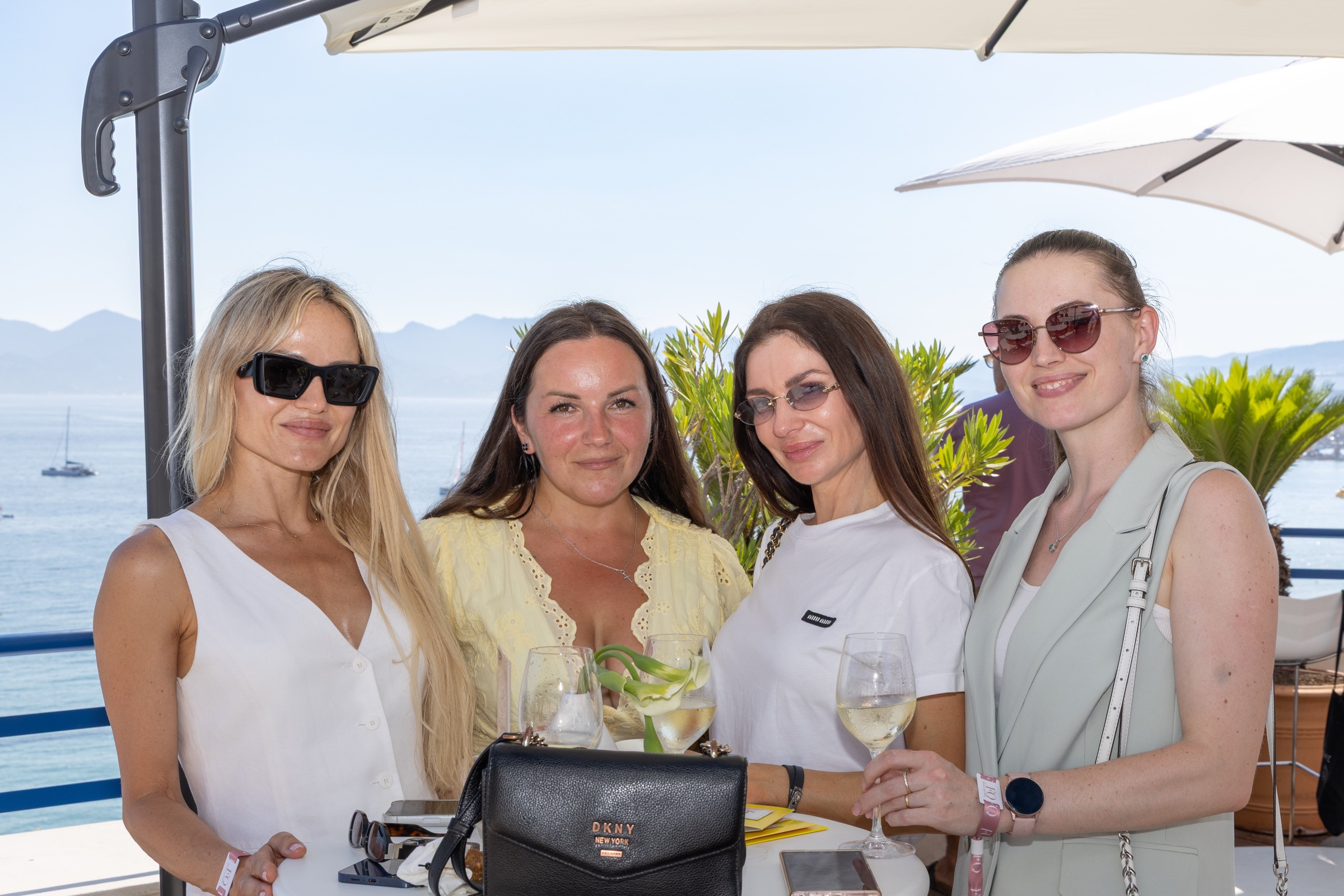
4. Female Quotient: FQ Beach at Cannes Lions
The activation: Female Quotient hosted a week of talks, hospitality and networking at FQ Beach on the Croisette during Cannes Lions, with speakers including Hoda Kotb, Sue Bird and Keke Palmer.
What Impulse added: one WhatsApp channel for daily programming updates, private photo galleries matched to each guest's selfie, and prompts to share.
The results:
3,000+ guest signups, almost all by link and QR code
16,000+ messages sent, nearly 5 per guest
1,300+ gallery views and 400+ images downloaded for sharing
Read the Female Quotient case study
5. Temple University: Game Day FanCam
The activation: Temple ran a private tailgate outside Lincoln Financial Field in 2026, with the band, cheer squad, students, alumni and its sponsor, Grungo Law.
What Impulse added: a white-label FanCam. Fans signed up with a phone number, answered a game-day poll by text and got a personal gallery with the sponsor's watermark on every photo.
The results:
450+ fans signed up at the tailgate alone
61% engaged with the poll, and 40% replied in under 3 minutes
2% opt-out rate
Read the Temple FanCam case study
6. Vita Coco: 5-City Sampling Tour
The activation: Vita Coco took a street sampling stand to 5 cities in one-day stops. Most people walked up, cooled down, took a bottle and moved on.
What Impulse added: guests opted in with a phone number and selfie, got branded action shots by text, and received a 50% off offer in the same message.
The results:
450+ reachable CRM profiles from a walk-up sampling stand
8,000+ photos captured and 650+ downloads
1,600+ gallery views, with a 50%+ image click rate
An estimated 200K+ potential social impressions from saved photos
7. Espolon: Cocktail Fights in Houston
The activation: Espolon's Cocktail Fights: La Resurreccion was a game-driven cocktail competition, where guests voted on the secret ingredient instead of just watching.
What Impulse added: WhatsApp prompts, quizzes and voting by reply, with watermarked photos delivered in the same thread.
The results:
110+ guest signups
700+ photos captured and 140+ images downloaded
560+ messages sent and 50+ guest responses
Nearly 500 gallery views
8. The Macallan: TimeSpace Celebration
The activation: TimeSpace was a milestone celebration for The Macallan, with brand backdrops, guest interaction and roaming photographers.
What Impulse added: photos matched to each guest, delivered in personal galleries, with one message thread for the welcome, gallery link, reminder and follow-up.
The results:
5,900 photos matched to guests
4,100 gallery views
4,000 photos downloaded
7 Famous Experiential Marketing Campaigns and What to Borrow
These campaigns are older and bigger, but they still shape how brands design experiences. For each one, here's what happened, the result the source reported, and the idea you can reuse.
9. Red Bull Stratos: A Jump From the Edge of Space
The campaign: in October 2012, Felix Baumgartner jumped from a balloon at the edge of space, and Red Bull streamed it live.
The result: the YouTube livestream drew an audience of 8 million, a record at the time (The Drum).
What to borrow: build one moment people want to watch live, then make it easy to share while it happens.
10. Coca-Cola: The Happiness Machine
The campaign: in 2010, Coca-Cola set up a vending machine in the student cafeteria at St. John's University in Queens. Instead of one soda, it handed out flowers, pizza, sunglasses and a 12-foot sub, filmed by hidden cameras over 2 days.
The result: the video passed 2.2 million YouTube views within months and won a Gold Interactive CLIO Award (Coca-Cola).
What to borrow: surprise people inside their normal routine, and capture their real reactions on camera.
11. IKEA: A Sleepover in the Store
The campaign: in the UK, a Facebook page called "I Wanna Have a Sleepover in IKEA" drew more than 100,000 fans. IKEA invited 100 of them to spend the night in its Essex store, with massages, advice from a sleep expert and goodie bags.
The result: 100 fans got the sleepover they had asked for, with a pajamas-only dress code (Mack Collier).
What to borrow: listen to what your fans already ask for, and say yes in a way they can talk about.
12. Refinery29: 29Rooms
The campaign: 29Rooms started in 2015 as a staff party for Refinery29's 10th anniversary. In 2016 it opened to the public during New York Fashion Week, with branded rooms from Disney, Ford and Michael Kors.
The result: in 2017, Refinery29 sold 18,000 tickets at $19. Over 60% sold in the first week, and visitors came from 45 states and 13 countries (Digiday).
What to borrow: give each sponsor its own room, so the brand is part of the experience instead of a logo on the wall.
13. Lean Cuisine: #WeighThis at Grand Central
The campaign: Lean Cuisine filled Vanderbilt Hall in Grand Central Terminal with 244 bathroom scales. Instead of a weight, each scale showed something women wanted to be measured by, painted by artist Annica Lydenberg. Some messages came from women online, and some from people who stopped by.
The result: the #WeighThis video passed 6.35 million views (MediaPost).
What to borrow: invite people to add to the installation, so the message becomes theirs.
14. Spotify: Wrapped at Outernet London
The campaign: in December 2024, Spotify brought Wrapped to Outernet in London, with giant LED screens showing the city's listening habits, neighborhood by neighborhood.
The result: the screens showed prompts like "London, you listened for 77 billion minutes this year", plus local findings for neighborhoods like Camden and Islington (Marketing Beat).
What to borrow: take something people already love sharing online and give it a place they can visit together.
15. Netflix: Stranger Things: The Experience
The campaign: Netflix and Fever opened Stranger Things: The Experience at the Brooklyn Navy Yard in 2022. Guests followed a new storyline through Hawkins Lab and the Upside Down, then visited Scoops Ahoy and the Palace Arcade.
The result: the first round of tickets, from $54, sold out right away, and the experience moved on to San Francisco and other cities (Netflix).
What to borrow: let fans step inside the story, and end in a space built for photos.
What These Experiential Marketing Examples Have in Common
A reason to take part. Guests at the first 8 events shared their phone number because they wanted their photos. 98% of Rare Beauty guests signed up, and Temple signed up 450+ fans at one tailgate.
Content that travels. People post what they like. At Rare Beauty, guest posts produced 450M+ potential reach in 48 hours. Red Bull and Coca-Cola built their whole campaign around a moment worth filming.
No friction. Every Impulse guest signed up from a link or QR code in seconds, with no app.
An audience the brand keeps. Aperol has 4,000+ profiles it can reach again. Fandom kept 98% of fans opted in. A video alone can't do that.
Brand Activation Ideas by Goal
Start with what you want the activation to produce, then design the experience around it. To turn the goal into a full plan, build an event marketing plan in 7 steps.
Social reach: give every guest a professional photo they want to post. At Rare Beauty, guest posts produced 450M+ potential reach. Read more about instant photo delivery.
First-party data: make the signup the way guests get something they want. Aperol built 4,000+ profiles this way. Here's what you can collect, with 15 first-party data examples.
Traffic to partner experiences: send live messages that point guests to the next moment. Fandom used them to send fans to partner experiences like Xbox Halo Land.
Sponsor value: put the sponsor on every photo and in the gallery. Temple's FanCam carried Grungo Law's watermark on every fan photo. For more, see these sports sponsorship activation ideas.
Trial and sales: pair the photo with an offer. Vita Coco sent a 50% off offer in the same message as each guest's photos.
Feedback: ask 1 or 2 questions in the same thread as the photos. Here are 40 post-event survey questions to pick from.
How to Measure Your Next Experiential Marketing Campaign
Decide what you'll measure before the event, not after. Here are the numbers these brands tracked:
Signups and opt-in rate: how many guests shared contact details and consent.
Photos delivered, viewed and downloaded: how much guests valued the content.
Social reach and media value: what guest posts produced. Estimate it with the earned media value calculator.
Replies and poll answers: how many guests engaged with your messages.
Profiles you can reach again: the audience left after the event ends.
To estimate the return before you commit, try the event ROI calculator. To see how signups turn into CRM-ready leads, read about event lead capture with Impulse.
Experiential Marketing Examples FAQ
What is an example of experiential marketing?
Aperol's Day Club at Coachella is an example of experiential marketing: a branded space with a Spritz bar, beauty stations and photo backdrops inside a festival. Launch parties, pop-ups, sampling tours and sponsor experiences at games or conferences are experiential marketing too.
What are some famous experiential marketing campaigns?
Red Bull Stratos, Coca-Cola's Happiness Machine, IKEA's store sleepover, Refinery29's 29Rooms, Lean Cuisine's #WeighThis, Spotify Wrapped pop-ups and Stranger Things: The Experience are some of the best-known examples.
What is the difference between a brand activation and experiential marketing?
Experiential marketing is the wider strategy of marketing through live experiences. A brand activation is one event or experience inside that strategy. Read more in what is experiential marketing.
What makes an experiential marketing campaign successful?
A clear goal, a reason for guests to take part and a way to measure it. The first 8 examples above gave guests their photos in exchange for a phone number, so every guest became a measurable signup.
How do you measure the ROI of a brand activation?
Track signups, opt-in rate, photo downloads, social reach and the profiles you can reach again, then compare them with what the activation cost. The event ROI calculator does the math, and the post-event report template helps you present it.
Plan an Experience You Can Measure
Impulse works at any brand event, from a launch party to a sampling tour. Guests get their photos in seconds by SMS or WhatsApp, and you get first-party data, social reach and a way to follow up.
Book a demo to see how it would work at your next activation, or browse more event marketing case studies.
Take the Next Step with Impulse
Start your journey toward more engagement, greater social reach, and data driven decisions. Use Impulse and unlock your events' full potential.